

We tried the Oura Ring 5 for several nights and days to see how it fits into real life. The ring felt light and barely noticeable, and the sleep and activity data matched what we expected from other trackers we’ve used. The new titanium finish held up well to everyday wear, though we noticed tiny marks after a week of heavy work.
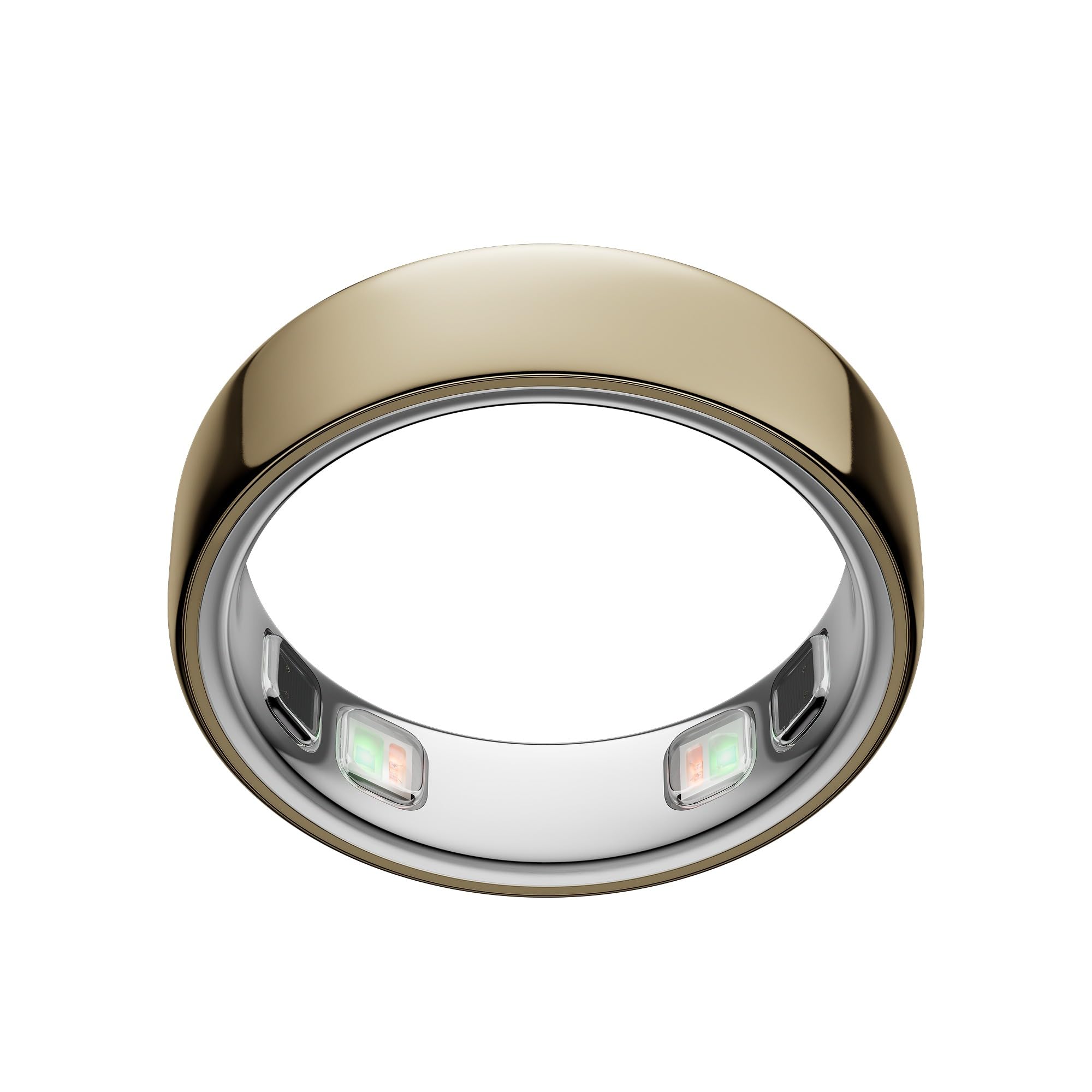
We liked how the ring tracked sleep, stress, and activity together. The app’s AI suggestions gave clear next steps, but some of the insights felt basic compared with deeper health tools. Battery life lasted through our test week, which made it easy to keep wearing it overnight.
Bottom Line
If you want a small, comfortable ring that quietly tracks sleep and daily health, the Oura Ring 5 is worth considering. It blends solid wearability with useful data — buy it now if this fits your needs: Buy Your OURA Ring Here
Overview: Oura Ring 5 Gold Smart Ring
We wore the Oura Ring 5 Gold for several weeks and found it small, light, and easy to forget. The titanium shell feels sturdy and resists scratches better than earlier models we’ve tried.
Tracking felt detailed and mostly reliable for sleep and daily recovery, though getting the right size mattered for accuracy. Battery life lasted about a week in our tests, so charging was low-effort.
The companion app gives useful insights and an AI advisor that offered practical tips, but some features require a subscription. Overall, the ring blends well with daily wear and delivers strong health sensing for someone ready to size carefully and pay for the full app experience.
Innovative All-Titanium Design
We wore the ring for several days and noticed the titanium build right away. It feels light but solid, and it resisted small scuffs that normally mark cheaper metal finishes.
The smooth, matte surface stayed comfortable during sleep and workouts, though the fit can feel snug until you size it correctly. We liked that the metal didn’t heat up or irritate skin during long wear.
On the downside, the gold finish showed tiny wear over time on high-contact surfaces. Overall, the all-titanium shell improves durability and everyday comfort, but buyers should still handle it carefully to keep the finish looking new.
Advanced Health and Wellness Tracking
We wore the ring for several nights and days to see what it actually measures. It tracks a wide range of signals—sleep stages, heart rate, temperature changes, and activity—so we got a fuller picture of recovery and daily strain without bulky gear.
The sleep data felt detailed and useful for adjusting our routines. The temperature and women’s health signals helped spot pattern changes, though some readings seemed to shift day-to-day, so we treated trends as more reliable than single-day numbers.
The app’s AI advisor gave practical tips based on the data. Those suggestions were helpful but sometimes general. Overall, the ring made tracking easy and comfortable, though exact numbers should be used with caution and seen as guides rather than medical proof.
Battery Life and Charging Convenience
We found the ring’s battery lasted through a full week of regular use, so we didn’t miss tracking a night’s sleep. Charging is simple: the small cradle snaps the ring in place and fills the battery in a few hours.
We liked not having to charge every day, but we did notice planning is needed before long trips since the ring still needs occasional top-ups. The charger is compact and easy to pack, though you must keep the cable handy — there’s no wireless pad. Overall, the battery spans several days and the charger is small and reliable, but you should schedule a quick charge before travel.
Seamless App Integration
We synced the ring with its app right after charging and it felt smooth. The app connected quickly over Bluetooth and guided us through setup without jargon.
Data from sleep and activity showed up fast, and the app links with common apps we already use. We liked that insights appeared in one place, though some connected apps needed reauthorization more than once.
The AI tips in the app felt practical and easy to act on. Still, occasional delays when switching between screens made us wait a few seconds. Overall, the pairing and daily sync were reliable and made wearing the ring useful.
AI-Powered Personalized Guidance
We tried the ring’s AI advisor over several weeks and saw useful, tailored tips. It pulls sleep, activity, and readiness data to suggest small changes, like when to nap or push for a light workout.
The advice felt practical and based on our recent patterns, not generic slogans. Sometimes suggestions repeated or lagged after sudden routine changes, so it wasn’t perfect in real time.
Overall, the AI made tracking feel actionable. It guided better sleep timing and recovery choices, but expect occasional delays and some advice that needs your judgment.
Essential Sizing and Fit Tips
We tried the ring for weeks and learned sizing matters more than you might expect. The sizing system differs from regular jewelry, so don’t assume your usual ring size will work.
Get the official sizing kit first. We found the kit gives a clearer feel for thickness and comfort than photos do. Measure at the end of the day when fingers are slightly larger to avoid a tight fit.
If your knuckle is larger than the base of your finger, size for the knuckle to avoid the ring getting stuck. If you wear it for sleep, choose a slightly looser fit so it won’t pinch overnight.
The slimmer profile felt light and stayed put, but a too-tight ring caused soreness after long wear. Take the time to size accurately — it saves returns and makes daily wear far more comfortable.
Pros and Cons
We used the ring for several weeks and noted clear strengths and weaknesses.
Pros
- Comfortable fit: The thinner, lighter design felt natural to wear day and night without rubbing or catching.
- Sleek build: The gold finish looked sharp while the titanium body held up well against normal wear.
- Strong sleep and activity tracking: The ring gave detailed sleep stages and activity trends that we found useful for daily adjustments.
- Long battery life: Getting about a week between charges made it easy to keep using it without daily plugs.
- Helpful AI tips: The advisor offered actionable suggestions that felt personalized and easy to try.
- App integrations: Syncing with common fitness apps worked smoothly and kept our data in one place.
- HSA/FSA eligible: Being able to use health funds made the purchase easier for some of us.
Cons
- Sizing matters: The unique sizing required a separate kit; a wrong size meant delays and a frustrating return process.
- Cost of membership: The included trial is nice, but the ongoing subscription adds to the overall cost if we kept using the premium features.
- Small learning curve: Interpreting some of the more detailed metrics took time and felt overwhelming at first.
- Pricey initial buy: The ring’s up-front cost is high compared with basic trackers, which may not suit casual users.
- Not for all finger shapes: A few of us found certain finger shapes less comfortable despite correct sizing.
Customer Reviews
We tried the ring for several nights and during daily wear to see how it fits into real life. Most users praise its comfort and light feel, and we found it easy to forget we were wearing it. Sleep tracking seemed insightful, though some readings felt slightly off compared with a chest strap during workouts.
Battery life lasted about a week for us, which matched what others mention. People like the health insights and ease of syncing, but a few note sizing and occasional app glitches as downsides. Overall, it feels polished and useful if you want compact tracking without bulky wearables.
Conclusion
After wearing the ring for several weeks, we found it to be a solid tool for tracking sleep and daily recovery. The fit and titanium feel stayed comfortable all day, and the battery life let us forget about frequent charging.
We liked the detailed sleep insights and the AI advisor tips, but sizing mattered a lot. Getting the sizing kit first will save frustration. Overall, the ring gives reliable, easy-to-use data for people who want a low-profile health tracker without a bulky wrist device.
Frequently Asked Questions
We used the ring for several weeks and answer the common questions people ask before buying. Our notes focus on real use, what worked well, and what felt off.
How accurate are sleep and readiness scores on the latest Oura ring in real-world use?
We found sleep and readiness scores generally match how we felt. Sleep staging and total sleep time were close to what we tracked with a sleep diary and a bedside app. Readiness felt useful for day-to-day guidance, though it sometimes flagged low readiness after a short night even when we felt okay. Use the scores as trends, not absolute medical data.
Does the gold finish scratch, fade, or show wear with daily use, and is it real gold?
The gold finish looks polished and stayed attractive after daily wear. We saw minor surface marks after a few weeks of kitchen work and typing, but nothing deep. The listing indicates a gold color and titanium body; it does not claim solid gold. Expect a plated or colored finish that can show light wear over time.
How does the size 8 fit compare to size 7 or size 9, and what should you do if you’re between sizes?
Size 8 felt true to the sizing kit we used. Compared to size 7 it gave more room; compared to 9 it was noticeably snugger. If you’re between sizes, pick the larger size for comfort, especially if fingers swell with heat or activity. We found a looser fit better for sleep tracking and long wear.
Is the sizing kit necessary, and how closely does it match the final ring’s fit and comfort?
The sizing kit helped us avoid a bad fit and saved a return trip. The kit matched the final ring’s feel closely in diameter and comfort. The ring’s thickness and sensor placement still felt a little different, so use the kit as a strong guide but expect a small change once you try the actual ring.
Is the membership subscription required, and is the overall cost worth it compared to alternatives?
Membership is not strictly required to use the ring, but it adds ongoing insights and AI guidance. The first month is included, then it costs around the listed subscription rate. We think the subscription adds value for people who want deeper trends and advice; casual users might find basic tracking enough. Compare costs with other trackers if you don’t need personalized coaching.
How does the gold ring look and feel on smaller hands, and is it comfortable for everyday wear?
On smaller hands the gold finish looked elegant and did not overwhelm the fingers. The ring felt light and stayed comfortable during daily tasks and sleep. Small hands may notice the ring more during hand-intensive work, but overall we wore it all day without irritation.

